Making Self Storage Work in Cleadon
Find Out More →Getting real value from self storage in Cleadon isn't just about finding a unit and moving your stuff in. The difference between storage that actually works and storage that becomes an expensive mistake comes down to how you approach it from the start. You need to know what you're storing, ask the right questions upfront, and have a plan for how long you'll actually need the space. Do that properly, and you'll get months of hassle-free storage. Skip those steps, and you'll end up paying for space you don't need or finding out too late that the unit doesn't suit what you're keeping.
Sort and measure before you book
The best thing you can do before picking a self storage unit is spend an afternoon going through what you actually need to store. Don't just guess at the volume—take a real look. Are you storing seasonal items, overflow from a house move, stock for a small business, or things you're keeping for sentimental reasons? That distinction matters, because it changes how you'll need to organise the space and how long you'll want to keep it.
Once you know what's going, measure it. Seriously. Get a tape measure out, work out roughly how much floor space you need, and add a bit for access and rearranging things later. A lot of people underestimate this and end up hiring a smaller unit than they need—then they're back six months later upgrading. Equally, some people panic and book something huge when a standard unit would've done the job fine. Measuring saves both those mistakes.
Check what you're storing too. Some items—particularly anything damp-prone or at risk in fluctuating temperatures—need more care in a storage environment. Read more here about unit specifications and how different storage options handle different conditions.
What questions should you ask before booking?
When you're looking at self storage providers, there are a few things that really matter. First: security and access. How does the facility actually protect your belongings? What are the access hours? If you need to grab something on a Sunday afternoon, can you? That might sound minor, but if you're using storage for a reason and can't get to it when you need it, you're paying for frustration.
Second, climate control. Cleadon gets wet—it's near the coast and susceptible to damp—so if you're storing anything that could be damaged by humidity or temperature swings, you need to ask whether the unit itself has any climate management or if it's open to the elements. That's not a minor detail; it directly affects what you can safely store.
Third, what's included in the price? Some providers price everything separately—insurance, access codes, special equipment—and your bill creeps up. Others bundle things in. Get it clear upfront. Our guide on choosing storage goes into more detail on the questions that trip people up.
Fourth, get confirmation on your contract terms. How long is the minimum commitment? Can you cancel without penalty? What happens if you need more space partway through? These things sound boring but they're what protect you if your circumstances change.
Organise properly from day one
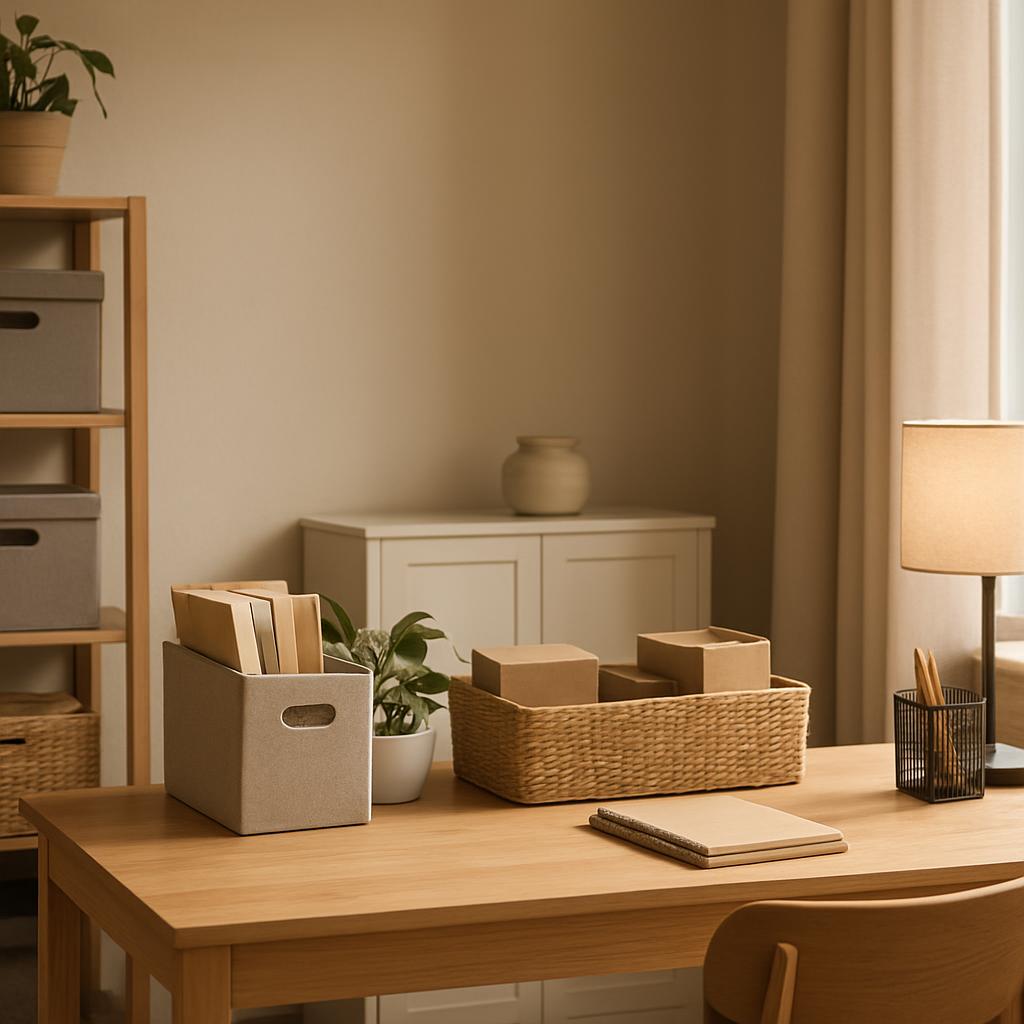
This is where most people lose efficiency. They pack the unit quickly, stack things haphazardly, and then when they need something six weeks later, they can't find it without moving half the unit. Spend a bit of time planning your layout before you start moving things in.
Group similar items together. Keep things you access regularly near the door. Use the vertical space—stack boxes properly, use shelving if you need it—but leave yourself paths to move around safely. Label everything clearly, even if you think you'll remember what's in each box. You won't. And take a photo or two of how it's arranged; it's a lifesaver later.
If you're storing things for a while—months rather than weeks—think about ventilation and moisture. Even if the unit itself isn't climate-controlled, you can help. Use silica gel packs, invest in some basic dehumidifying supplies, and avoid wrapping things in plastic when you can; cardboard boxes breathe better. Find out more about how other local residents approach long-term storage.
Check in regularly and review your contract
Once you're in, don't just forget about it. Pop down to your unit every couple of months, especially in the first year. Check that everything's in good condition, that nothing's developed damp or pest issues, and that you're still happy with how it's organised. Early problems are easier to spot and fix.
Also review your contract at least once a year. Are you still using the full unit? Is the space doing what you need it to? If circumstances have changed—maybe you've sold some items, or you're downsizing—you might be able to move to a smaller unit and cut your costs. Storage shouldn't be a 'set and forget' arrangement; it should be something you actively manage.
Getting the best from self storage in Cleadon comes down to preparation, asking the right questions, and staying engaged with what you've stored. It's not complicated, but it does require you to think it through before you book. When you're ready to start, Self Storage Cleadon can walk you through the process—get in touch and let's find the right solution for what you need to store.
Looking for Self Storage near Cleadon?
We have secure, flexible units available in the area. Get in touch with Self Storage Cleadon today.
Find Out More →